Harringay Ladder carpet cleaning guide for period homes
Posted on 09/05/2026
If you live in one of the Harringay Ladder's handsome period homes, you already know the carpets do more than cover a floor. They soften echoing stairs, make front rooms feel warmer on a grey London morning, and quietly hold the story of the house. The trouble is, older homes ask for a different kind of care. A modern synthetic carpet in a new-build flat can usually tolerate a fairly direct clean. A Victorian or Edwardian property on the Ladder? Not quite so simple.
This Harringay Ladder carpet cleaning guide for period homes is designed to help you clean carefully, avoid expensive mistakes, and understand when a light refresh is enough versus when a deeper professional clean makes sense. We'll look at how carpet fibres, backing, underlay, damp, and age all change the approach. We'll also cover the practical bits people often miss, like drying times, stain treatment, and how to protect original features while keeping the place properly lived-in. Truth be told, that balance matters more than the perfect-looking carpet.
If you're also thinking about wider upkeep in the home, it can help to look at related services such as house cleaning in Harringay, domestic cleaning support, and specialist carpet cleaning in Harringay. For upholstery that's seen the same years of family life, upholstery cleaning in Harringay is often part of the same refresh.
Why Harringay Ladder carpet cleaning guide for period homes Matters
Period homes in the Harringay Ladder often have a few things in common: older timber floors underneath, stairs that have been used hard for decades, rooms with character rather than perfect square lines, and carpets that may have been fitted over different generations of underlay. That combination changes everything.
Carpet cleaning in a period home is not just about removing grime. It's about avoiding moisture problems, protecting older skirting and plasterwork, and making sure the cleaning method suits the carpet construction. A house with original floorboards beneath the carpet can behave differently from one with a newer subfloor. If you use too much water, or the wrong detergent, you can end up with lingering damp smells, wicking stains, or a carpet that dries with visible tide marks. Nobody wants that faint sour smell hanging about for days. Not in winter. Not ever.
This matters even more in the Ladder because many homes are lived in tightly and actively: family traffic, hallway dust, pram wheels, muddy shoes, pets, and the general churn of London life. Carpet fibres trap it all. The good news? With the right approach, you can keep the character of the house without turning carpet care into a drama.
For local context around the area and the way people use these homes, you may also find this local guide to Harringay life useful, and if you are deciding whether to upgrade a property or put more care into the one you own, these Harringay property buying tips explain why fabric condition often matters more than first impressions suggest.
How Harringay Ladder carpet cleaning guide for period homes Works
The right method depends on what your carpet is made of, how old it is, and what sort of dirt you're dealing with. That sounds obvious, but many cleaning problems begin when people treat every carpet the same. In a period home, there's usually a bit more to think about.
1. Identify the carpet fibre
Wool is common in better-quality carpets and needs gentler treatment than many synthetic fibres. Wool is resilient, but it dislikes harsh alkalines and over-wetting. Synthetic carpets, such as polypropylene or nylon, are generally more forgiving, though that doesn't mean anything goes.
2. Check the condition of the backing and underlay
Older carpets or rooms that have seen previous leaks can have weakened backing, uneven underlay, or areas where the carpet has become loose. If the backing is fragile, aggressive scrubbing can do more harm than the dirt ever did.
3. Choose the cleaning method carefully
There are three broad approaches: vacuum and spot-clean maintenance, low-moisture or dry-clean style methods, and hot water extraction. Each has its place. In many period homes, a controlled low-moisture approach is often the safest first choice for routine maintenance, while deep extraction may suit hard-wearing carpets if drying can be managed properly.
4. Test before treating
A small hidden patch test is sensible before applying any solution. Period homes can surprise you. One stair runner might clean beautifully while the landing carpet reacts badly to the same treatment. Slightly annoying, yes. But better than discovering colour loss halfway through the room.
5. Manage airflow and drying
Drying is not a footnote. It's part of the cleaning process. Good airflow, moderate room temperature, and enough time between cleaning and heavy use are essential, especially in older homes where ventilation can be patchy and window habits change with the weather.
If the house is part of a larger maintenance routine, many owners pair carpet care with broader home cleaning services so the whole property feels reset rather than just one room.
Key Benefits and Practical Advantages
Done well, carpet cleaning in a period home pays off in very practical ways. It is not just about looking nice for visitors, although that does happen. There are deeper benefits too.
- Improved indoor air feel: carpets trap dust, pollen, and everyday debris, so cleaning can make the room feel fresher.
- Longer carpet life: grit acts like sandpaper underfoot. Regular cleaning reduces wear.
- Better stain control: the sooner you address spills, the less chance they have to set.
- Preserved character: period homes work best when their materials are cared for, not over-touched.
- More comfortable living: soft floors matter in older homes with draughty edges and cold mornings.
There's also a subtle but real visual benefit. Older homes can start to feel tired when carpets dull down. A careful clean lifts the whole space without stripping away its lived-in charm. That's the sweet spot.
Expert summary: In period homes, the best carpet clean is rarely the most aggressive one. It's the one that removes dirt, respects the fibre, dries properly, and leaves the room feeling genuinely healthier rather than just looking temporarily brighter.
For landlords or sellers, a clean carpet can also support a better presentation when the property is being shown. If you're weighing wider presentation work, this article on property buying strategies in Harringay gives a useful sense of how condition influences perceptions, and end of tenancy cleaning in Harringay becomes relevant when a period property is changing hands or tenants.
Who This Is For and When It Makes Sense
This guide is for anyone living in or caring for a period home on the Harringay Ladder, especially if you have:
- Victorian or Edwardian terraces
- Stair carpets that get heavy footfall
- Wool carpets that need gentle handling
- Rental properties that need respectful upkeep
- Family homes with pets, children, or muddy entrance traffic
- Older properties with uncertain underlay history
It makes sense to clean carpets when they look flat, smell stale, or start holding onto marks that vacuuming alone can't touch. It also makes sense after winter, after renovations, before listing a property, or when you're doing a proper seasonal reset. Let's face it, carpet care tends to get delayed until the hallway has become its own ecosystem.
If you are a homeowner who wants the house to keep its original feel, a gentler cleaning plan is usually better than a once-in-a-blue-moon deep scrub. If you're a tenant or landlord, the balance changes a little. In that case, timing, documentation, and a reliable finish matter more. Some readers also use our Green Lanes end of tenancy cleaning guide for nearby local reference, because the same practical principles often apply.
Step-by-Step Guidance
Here's a sensible, field-tested way to approach carpet cleaning in a period home without making life harder than it needs to be.
Step 1: Start with a proper vacuum
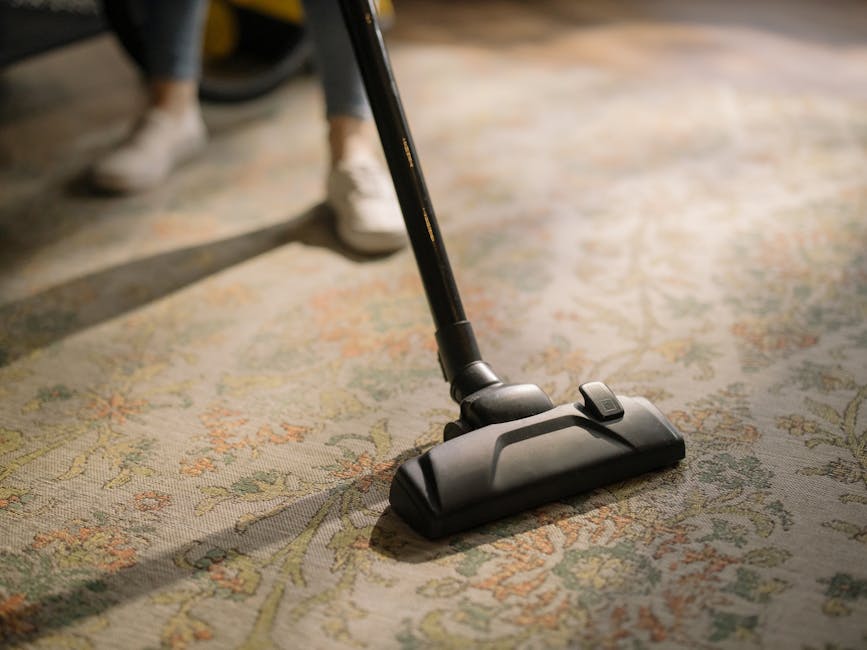
Use a vacuum with strong suction and a clean brush head. Go slowly. Period-home carpets often sit under more dust than you expect, especially along skirting edges and stair risers. Two deliberate passes are better than a rushed sweep.
Step 2: Inspect the carpet closely
Look for worn seams, loose edges, fading, and old repairs. Check whether any areas feel damp, spongy, or unusually thin. Those are warning signs that tell you to take a lighter touch.
Step 3: Treat stains individually
Do not hose down the whole carpet because one spot misbehaved. Blot spills rather than rubbing them. Use a very small amount of the right cleaner on a hidden area first. For older stains, patience is better than force.
Step 4: Decide on the cleaning method
For routine maintenance, a low-moisture approach may be enough. For deeper soil in stronger carpets, a professional extraction clean can work well, provided drying is controlled. In more delicate rooms, sometimes a targeted spot treatment plus thorough vacuuming is the wiser call.
Step 5: Control the amount of water used
This is where many people go wrong. More water does not equal more clean. Excess moisture can sink into the underlay or floor structure and stay there. That's bad news for smell, drying, and sometimes the carpet backing itself.
Step 6: Dry properly
Open windows where sensible, use airflow if available, and avoid packing furniture back onto the carpet too soon. If a room feels a little too cool or damp, give it longer. No shortcuts here, sorry.
Step 7: Re-check after drying
Once the carpet is dry, inspect it in daylight. Some stains can reappear faintly as fibres finish drying. That doesn't always mean the clean failed, but it does mean you should reassess before calling it done.
Expert Tips for Better Results
These are the small things that make a surprisingly big difference in older Harringay homes.
- Work from the edges inward. Hallway edges and stairs usually hold the worst dirt.
- Use gentler chemistry on wool. Wool reacts better to mild, fibre-safe solutions.
- Don't over-fragrance the room. Strong artificial smells can mask damp instead of solving it.
- Lift furniture carefully. Heavy antique pieces can leave dents in softer carpet and underlay.
- Schedule cleaning around weather. A dry, breezy day makes life easier than a cold wet one.
- Rotate attention. The front room may look fine while the stairs are quietly taking a beating.
One small but useful habit: keep a clean cloth and a little plain water nearby for fresh spills. Not glamorous, but it works. A cup of tea knocked over at 8:15 on a Monday morning is less of a disaster if you act quickly.
If you want broader upkeep in the home, a combination of house cleaning support and focused carpet care can keep period interiors manageable without turning weekends into a cleaning marathon. There's a point where the house should serve you, not the other way around.

Common Mistakes to Avoid
Older homes tend to punish shortcuts. Here are the mistakes that cause the most trouble.
- Using too much water: this is the big one.
- Scrubbing stains aggressively: rubbing can spread the mark or damage fibres.
- Ignoring underlay and backing: what sits underneath matters just as much as the visible pile.
- Mixing cleaners: combining products can make residue or worsen stains.
- Skipping the patch test: period carpets are less predictable than they look.
- Putting furniture back too soon: that can trap moisture and leave marks.
- Assuming old carpets are beyond help: often they just need the right method, not brute force.
A common one in period homes is treating the hallway like a modern flat carpet. But the Ladder's houses often have different ventilation patterns, older fabric in the building envelope, and a history of DIY fixes. You sometimes only discover that when a room takes far longer to dry than expected. Annoying, yes. Helpful, too, because it tells you how the house behaves.
Tools, Resources and Recommendations
You do not need a giant toolkit to care for carpets properly, but a few reliable items make a real difference.
| Tool or item | Best use | Why it helps in period homes |
|---|---|---|
| Vacuum with adjustable suction | Routine dust and grit removal | Protects delicate fibres and stair edges |
| Soft brush attachment | Gentle surface cleaning | Less abrasive on wool and aged pile |
| Clean white cloths | Blotting spills | Helps you see transfer without colour bleed |
| Fibre-safe cleaning solution | Spot treatment | Reduces risk of harsh residue |
| Fans or good airflow | Drying support | Important where ventilation is limited |
In some homes, the safest recommendation is not a product at all but a method: vacuum well, spot treat carefully, and only go deeper if the carpet and room conditions suit it. That advice is not flashy. It is, however, the bit most likely to save you trouble.
If you're comparing service levels, pricing and quotes information can help you understand what's included, while the company background is useful if you want a feel for how a local team approaches this kind of work. And for reassurance on practical standards, insurance and safety details are worth checking before anyone starts moving furniture around.
Law, Compliance, Standards, or Best Practice
For most homeowners, carpet cleaning is not a heavily regulated activity in the same way as some specialist building work, but best practice still matters. The main concerns are safety, product suitability, waste handling, and care around moisture in older buildings.
In practical terms, that means choosing cleaning methods that are appropriate for the carpet type, following product instructions, and being cautious around electrical equipment, wet floors, and stairs. If a professional is doing the work, they should be able to explain how they reduce slip risk, how they protect furnishings, and how they handle drying. It should feel sensible and organised, not improvised.
There is also a general duty of care in any occupied home. That means keeping walkways clear, warning people about wet areas, and making sure children and pets are kept away from freshly cleaned sections until they are dry. Simple things, but easy to forget when the kettle's on and everyone is trying to get on with the day.
For users who want to understand how a provider works beyond the cleaning itself, pages such as health and safety policy, terms and conditions, and payment and security can help build trust before you book.
Options, Methods, or Comparison Table
Different carpets and different rooms call for different methods. Here's a simple comparison to help you decide what may suit a period home best.
| Method | Best for | Pros | Watch-outs |
|---|---|---|---|
| Regular vacuuming | Ongoing maintenance | Prevents grit build-up, quick and low-risk | Won't remove deep stains or embedded dirt |
| Spot cleaning | Fresh spills and local marks | Targets problem areas without over-wetting | Needs caution to avoid rings or bleaching |
| Low-moisture cleaning | Delicate or older carpets | Faster drying, less risk to underlay | May be less powerful on heavy soiling |
| Hot water extraction | Hard-wearing carpets with deep dirt | Deep soil removal, strong refresh | Drying time and moisture control are critical |
For many Harringay Ladder homes, the answer is a mix rather than one method forever. A hallway may need different care from a bedroom. A stair carpet may need lighter treatment than a front room carpet. That's normal. In fact, it's usually the best sign that you're treating the house properly.
Case Study or Real-World Example
Imagine a typical Ladder terrace with a narrow hall, turning stairs, and a front room carpet that has been in place for several years. The owners have a dog, a child, and a habit of coming in through the front door with shoes half-wet from a drizzly afternoon. Classic London life, basically.
The hallway looks dull rather than dirty, but the stair edges show darkening, and there is a faint smell after the heating has been on. The owners first try a standard supermarket spray, then scrub a bit harder when it doesn't lift the mark. That makes the fibres flatten. Still familiar? Happens all the time.
A better approach would be to:
- vacuum thoroughly, especially around skirting and stair corners
- blot any fresh marks rather than rub them
- test a mild fibre-safe cleaner on a hidden section
- treat the stair traffic area separately from the bedroom carpet
- use controlled moisture and allow proper drying time
The result is not just a cleaner carpet, but a room that feels lighter and less stuffy. The house still feels like a period home. It doesn't feel scrubbed raw. That's the goal.
For people comparing upkeep options across a full home, domestic cleaning in Harringay can work alongside carpet care, while tenants and landlords may want to coordinate with end of tenancy cleaning if the property is about to change hands.
Practical Checklist
Use this before you start, or before you book a professional clean.
- Identify the carpet fibre if possible
- Check for loose seams, wear, and previous repairs
- Vacuum slowly and thoroughly first
- Test any cleaner in a hidden area
- Choose the mildest effective method
- Avoid over-wetting, especially near edges
- Protect stairs and walkways while cleaning
- Allow extra drying time in cool or humid weather
- Re-check for reappearing stains after drying
- Keep furniture off damp areas until fully dry
Quick takeaway: in period homes, the safest carpet clean is usually the one that respects age, fibre type, and drying time. Clean the right way once, and you avoid weeks of little annoyances afterwards.
Conclusion
A good carpet clean in a Harringay Ladder period home should leave the house feeling fresher, not fraught. That means choosing a method that suits the carpet, handling moisture carefully, and understanding that older homes need a gentler, more thoughtful approach than newer ones. The best results usually come from patience, not pressure.
If you're maintaining a family home, preparing a property for sale or tenancy, or simply trying to keep your hallway from looking permanently tired, the right carpet care can make a real difference. And it's one of those jobs where a bit of judgement goes a long way. Not glamorous, perhaps, but genuinely useful.
Get a free quote today and see how much you can save.
If you'd like to plan your next step properly, start with the condition of the carpet, the age of the property, and how much drying time you can comfortably allow. That simple check usually points you in the right direction.