Health and Safety Policy for Cleaners Harringay
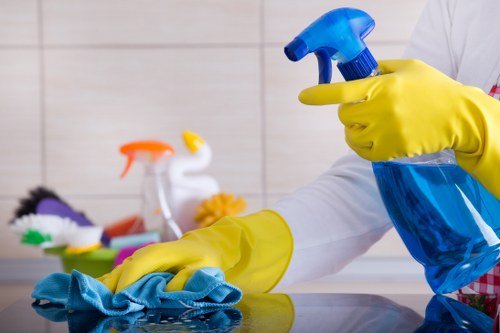 Cleaners Harringay is committed to maintaining a safe, healthy, and well-managed working environment for all cleaning operatives, supervisors, and anyone affected by our activities. This policy sets out the standards expected across every cleaning task, whether carried out in homes, offices, communal areas, or specialist environments. Our approach is based on prevention, clear communication, and consistent safe working practices. We recognise that cleaning work can involve physical strain, exposure to chemicals, slips, trips, sharps, and other hazards, so we aim to reduce risks through training, planning, and supervision.
The purpose of this policy is to protect people from harm and to ensure that all cleaners in Harringay work in a controlled and responsible way. Every member of staff has a duty to follow safe procedures, use equipment correctly, and report concerns promptly. Management, in turn, must provide suitable instruction, appropriate personal protective equipment, and working methods that support good health and safety performance. This shared responsibility is central to the way our cleaning services are delivered.
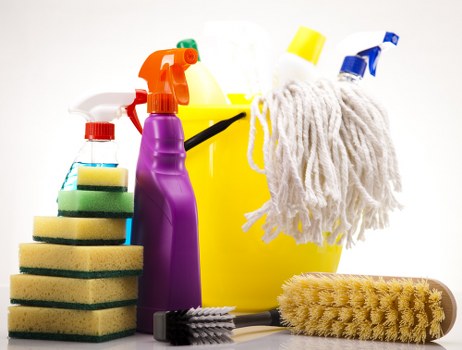 Risk assessment is an essential part of our work. Before any cleaning assignment begins, hazards should be identified and evaluated so that the right controls can be put in place. Common risks include wet floors, manual handling, contact with cleaning agents, electrical equipment, and working at height for light access cleaning. Where risks cannot be removed completely, they must be reduced to the lowest practical level. Safe systems of work should always be followed, and no task should be started without the necessary preparation.
Cleaners Harringay policy requires all cleaning staff to receive suitable training before undertaking work independently. Training should cover safe handling of chemicals, correct use of mops, vacuums, cloths, and machines, lifting techniques, emergency actions, and the proper use of PPE. Refresher training should be provided when equipment changes, procedures are updated, or new risks are introduced. Supervisors must ensure that staff understand instructions and are competent to carry out each task safely.
Cleaning products must be stored, labelled, and used in accordance with manufacturer instructions and internal safety rules. Only approved chemicals should be used, and they should never be mixed unless specifically authorised. Staff must wear the correct gloves, eye protection, masks, or other PPE where required. Good ventilation should be maintained when using sprays or stronger products. Any spillages should be cleaned immediately using the correct method to prevent slips or exposure. In all cases, safety takes priority over speed.
 Manual handling is one of the most common causes of injury in the cleaning industry, so tasks should be planned to avoid unnecessary strain. Heavy items should be moved using suitable equipment, and loads should be broken down where possible. Staff should not twist awkwardly, overreach, or carry equipment that is too large or too heavy for safe handling. Where repetitive work is involved, regular breaks and task rotation may help reduce fatigue and prevent musculoskeletal problems. Good housekeeping is also essential, because clutter increases the chance of injury.
Electrical safety must be taken seriously whenever powered cleaning equipment is used. All appliances should be visually checked before use, and any damaged leads, plugs, or fittings must be taken out of service immediately. Equipment should be used only as intended and never in wet conditions unless it is designed for that purpose. Trailing cables must be managed carefully to prevent trips, and cleaning operatives should avoid overstretching sockets or overloading outlets. Cleaners Harringay expects a cautious approach to all electrical tasks.
Personal protective equipment is issued to reduce exposure to known hazards, but it must be worn correctly and kept in good condition. Gloves, aprons, slip-resistant footwear, and face protection should be used when necessary. PPE does not replace safe working methods; it supports them. Staff should report damaged or unsuitable items so replacements can be arranged. It is also important to maintain personal hygiene after cleaning, especially when handling waste, sanitising surfaces, or using chemicals that may irritate the skin.
Waste handling must be done carefully and in line with safe segregation practices. Sharp objects, contaminated materials, and general waste should be dealt with using appropriate procedures. Staff must never compress waste by hand or place hands inside bags where contents cannot be seen. If hazardous waste or broken glass is discovered, the area should be isolated and the correct disposal method used.  Health and safety for cleaners in Harringay also depends on prompt reporting of incidents, near misses, faults, and unsafe conditions so that corrective action can be taken.
Emergency procedures should be understood by all staff. In the event of fire, injury, chemical exposure, or another serious incident, work must stop and the relevant emergency process followed. First aid arrangements should be known in advance, and any accident or near miss must be reported as soon as possible. Managers should review incidents to identify patterns and prevent recurrence. This commitment to learning helps strengthen our safety culture and improves the quality of service over time.
Supervision and monitoring are key parts of this policy. Managers and team leaders should check that safe practices are being followed, equipment is in good order, and staff are not being asked to work under unsafe pressure. Work schedules must allow enough time for tasks to be completed properly without rushing. Where hazards are identified, control measures should be reviewed and updated. We believe that effective supervision supports both wellbeing and service consistency.
 This policy will be reviewed regularly to make sure it remains suitable, effective, and aligned with current working practices. Cleaners Harringay policy principles apply to all personnel, including temporary workers and subcontracted staff where relevant. Everyone involved in cleaning activities is expected to support a culture of caution, professionalism, and mutual respect. By keeping safety at the centre of our operations, we protect our staff, our clients, and the wider public while delivering reliable and responsible cleaning services.