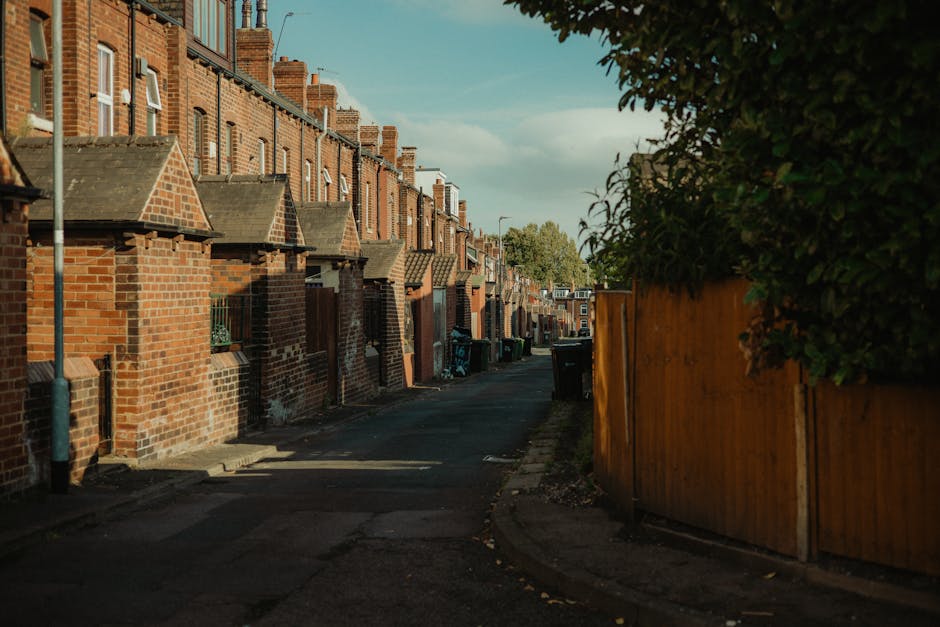
Access Problems for Harringay Cleaners in Shared Houses and Flats
If you have ever tried to arrange a clean in a busy flat share, you will know the awkward bit is not always the cleaning itself. It is getting in. Access problems for Harringay cleaners shared houses and flats can turn a simple booking into a late start, a shorter clean, or a whole lot of back-and-forth over keys, entry codes, and who is actually home. In Harringay, where many homes are split into flats or occupied by several tenants, access is often the real make-or-break detail.
This guide breaks down what the access issue really means, why it matters, and how to handle it properly. You will find practical steps, a useful checklist, common mistakes, and a grounded explanation of what usually works best in shared accommodation. There is no fluff here. Just the kind of advice that saves time, prevents misunderstandings, and helps a cleaner do the job properly first time.
Table of Contents
- Why access problems matter
- How access arrangements work in shared homes
- Key benefits of sorting access early
- Who this is for and when it makes sense
- Step-by-step guidance
- Expert tips for better results
- Common mistakes to avoid
- Tools, resources and recommendations
- Law, compliance and best practice
- Options and comparison table
- Case study example
- Practical checklist
- Conclusion
- Frequently asked questions
Why Access Problems for Harringay Cleaners Shared Houses and Flats Matters
Access sounds like a small admin issue. It usually is not. In shared houses and flats, a cleaner may be dealing with multiple people, different schedules, a locked communal entrance, hidden key boxes, a buzzer that nobody answers, or a tenant who forgot to tell the others someone was coming. Tiny delays stack up fast.
In practical terms, poor access affects four things: time, quality, safety, and trust. If a cleaner arrives and cannot get in for twenty minutes, that is twenty minutes lost from the appointment. If access is uncertain, the cleaner may have to rush later jobs. If there is confusion about keys or entry codes, you can end up with cancelled visits or rescheduling headaches. And nobody likes standing in a hallway, hearing the vacuum in the other room, while three flatmates are still deciding who has the key. It happens more often than people admit.
For landlords, tenants, and managing agents, access also affects move-out timelines and end-of-tenancy standards. If the property is being cleaned before new occupants arrive, a minor mix-up can become a bigger problem very quickly. A simple plan at the start usually avoids all that.
To get a feel for the wider local context, some readers also find it useful to read about living in Harringay and how the area's mix of period conversions, maisonettes, and shared rentals shapes everyday routines.
How Access Problems for Harringay Cleaners Shared Houses and Flats Works
In a shared house or flat, access usually works in one of four ways: someone is home, a key is handed over, a key is stored securely for the appointment, or the property manager arranges entry. The cleaner needs a reliable route in and out. That is the whole point.
The trouble begins when the arrangement is assumed rather than confirmed. One flatmate thinks another has left the key under the mat. Someone swears the concierge will let the cleaner in. The booking note says "ring on arrival," but nobody answers because the occupant is on the Northern line with no signal. Real life is messy like that.
Good access planning means removing uncertainty before the appointment. That includes:
- confirming who will open the door
- sharing buzzer, intercom, and flat numbers accurately
- making sure keys are labelled safely, not with obvious address tags
- checking whether communal doors need special entry codes
- telling every resident when the cleaner is due to arrive
In shared accommodation, it also helps to separate building access from room access. The cleaner might reach the flat fine but still be unable to enter a locked bedroom, utility cupboard, or storage space needed for the job. That distinction matters more than people think.
If you are arranging a more intensive clean or a move-out clean, it can help to review practical pages such as end of tenancy cleaning in Harringay and the full services overview so expectations are clear before the day arrives.
Key Benefits and Practical Advantages
Sorting access properly does not just help the cleaner. It benefits everyone involved.
- Fewer delays: The appointment starts on time, which usually means better results and less stress.
- Better cleaning outcomes: The cleaner can work through the property in the right order instead of trying to work around locked doors or missing occupants.
- Less disruption for flatmates: No surprise knocking, no repeated phone calls, no awkward "who told them to come today?" moments.
- Clearer accountability: If access is agreed in writing, there is less confusion about responsibility when something changes.
- Safer working conditions: A cleaner who knows how to enter and exit safely is less likely to run into avoidable issues in shared entrances or communal areas.
There is also a quieter benefit: a more professional relationship. When access is handled smoothly, the whole service feels calmer and more reliable. That counts. People remember it.
For properties with carpets, upholstery, or heavier fabric items, access planning also helps the team bring the right equipment in one trip rather than making awkward repeat visits. If that is relevant, carpet cleaning in Harringay and upholstery cleaning options are useful pages to review alongside your booking plan.
Who This Is For and When It Makes Sense
This topic matters to anyone living in or managing a shared property, but a few groups feel it most sharply:
- House shares: where residents keep different hours and not everyone is available at the same time.
- Converted flats: where communal doors, mailboxes, and entry systems can be fiddly.
- Landlords and letting agents: especially when cleaning is linked to end-of-tenancy turnaround.
- Busy professionals: who want a clean done while they are at work, not during a long lunch break they do not really have.
- Students and short-let occupants: where turnover, shared keys, and last-minute changes are common.
It makes sense to focus on access before you book if any of these apply: the property has a secure entrance, the cleaner will arrive while nobody is home, there are multiple occupants, or the job involves time-sensitive tasks such as move-out cleaning. Honestly, if there is any doubt at all, talk it through in advance. That one conversation can save a lot of hassle.
People sometimes ask whether access planning is only needed for bigger jobs. Not really. Even routine domestic cleaning can be disrupted by a missing key or unclear buzzer instructions. Small job, same problem.
Step-by-Step Guidance
1. Identify the exact entry route
Start with the basics. Is the cleaner entering through a front door, side gate, coded communal entrance, concierge desk, or someone's flat door? Write it down clearly. If the building has more than one entrance, specify the one to use. "Back door near the bins" is not always as helpful as the sender thinks, to be fair.
2. Decide who is responsible for access
In a shared flat, one person should be the point of contact. That person is responsible for confirming the plan, not necessarily doing all the work, but keeping the information tidy. Otherwise details drift. One tenant assumes another has messaged the cleaner. Another assumes the landlord will sort it. Then nobody does.
3. Share the practical details early
Give the cleaner the entry code, buzzer name, floor number, flat number, and any door quirks. If there is a difficult latch, a stiff communal door, or a key safe, mention that too. A cleaner can work around most things if they know in advance.
4. Confirm the appointment window
Tell everyone involved when the cleaner is likely to arrive and how long access needs to be available. If you are arranging a same-day service, leave a wider margin. For a useful overview of timing issues, see same-day cleaning delays in Harringay. That kind of planning is often the difference between a smooth visit and a messy one.
5. Prepare keys or entry permissions safely
If keys are being handed over, make sure the handover point is clear and secure. If a key safe is used, check that the code works and that the safe is accessible. Do not leave keys in a random location and hope for the best. Humans do that, and then humans regret it.
6. Remove unnecessary barriers inside the property
Access is not only about getting through the front door. Hallways cluttered with shoes, bikes, prams, laundry baskets, and Amazon boxes can slow the whole job. A few minutes clearing routes to kitchens, bathrooms, and living areas helps a lot.
7. Confirm what happens if no one answers
Agree a backup plan. Should the cleaner call, wait ten minutes, try the neighbour, or reschedule? Without a fallback, a minor delay can become a cancelled visit. That is rarely anybody's idea of a good morning.
Expert Tips for Better Results
In our experience, the best access arrangements are the boring ones. Boring is good here. They are clear, written down, and agreed before anyone sets off.
- Use one message thread or one contact person. Scattered WhatsApps and half-remembered instructions cause trouble fast.
- Label the key or access method discreetly. Avoid anything that openly identifies the address.
- Send a photo of the entrance if needed. A quick picture of the door, buzzer panel, or key safe can remove confusion.
- Tell the cleaner about pets. Not strictly access, but it affects how easily they can enter, work, and move around.
- Leave a little buffer time. London traffic, buses, lifts, and intercoms do not always cooperate.
- Keep communal areas tidy. It makes entry easier and avoids friction with neighbours or building managers.
A small but useful tip: if the property is in a larger block, ask whether the cleaner needs to sign in at reception or use a visitor system. That detail gets overlooked more often than you would expect. It sounds minor until the cleaner is standing there at 8:55 a.m. wondering who on earth is supposed to let them through.
If you are comparing services or trying to understand booking expectations, it can also help to review pricing and quotes so you can see how access-related timing or complexity may affect the overall plan.
Common Mistakes to Avoid
These are the errors that cause most access headaches in shared houses and flats.
- Assuming someone else sorted it. This is the classic one. Everyone thinks someone else messaged the cleaner.
- Giving incomplete entry instructions. "It's the second flat" is not enough if the building has two sets of stairs and three buzzers.
- Leaving the cleaner waiting outside. It eats into the service time and creates unnecessary pressure.
- Forgetting communal access rules. Some blocks have particular sign-in or entrance arrangements. Ignoring them can delay the appointment.
- Not warning flatmates. Nothing creates tension faster than a cleaner turning up while someone is asleep, on a call, or mid-dinner. Awkward, really.
- Overlooking locked rooms. If the cleaner needs access to all rooms, say so. If a bedroom is off-limits, say that too.
One more thing: avoid vague instructions like "just ring when you get here." It sounds convenient, but it often produces the exact opposite. Cleaner arrives. No answer. Time passes. Frustration rises. Simple fixes are better than clever ones.
Tools, Resources and Recommendations
You do not need fancy systems to solve access problems. A few simple tools are usually enough.
- Shared calendar invite: useful for flatmates, landlords, and anyone who keeps forgetting dates.
- Written access note: a short message with door code, key location, and contact details.
- Photo message: helpful for buzzer panels, confusing entryways, or key safe locations.
- Checklist on the fridge or shared chat: old-school, yes, but it works.
For broader property and home context in Harringay, some readers also explore how Harringay balances city life and quieter residential living. That context can help you think more clearly about building layouts, shared entrances, and routine access patterns.
If the property is due for a deeper reset rather than a quick tidy-up, you might also look at end-of-tenancy cleaning tips for Green Lanes or carpet care guidance for period homes in Harringay Ladder. Both can be handy depending on the property type.
Law, Compliance, Standards, or Best Practice
For shared homes and flats, the key point is not to overcomplicate the legal side. The cleaner needs lawful, safe access, and the people responsible for the property need to manage that access properly. Best practice is straightforward: do not share entry details carelessly, do not misrepresent who has authority to allow access, and do not create unsafe conditions for workers or residents.
In practical terms, that means keeping instructions accurate, respecting building rules, and following normal UK expectations around privacy, safety, and reasonable notice. If a landlord, tenant, or agent is arranging the clean, they should make sure the cleaner is not left in a situation where access is uncertain or where they could be challenged at the door by someone who was never informed.
Health and safety matters too. A cleaner should not be expected to climb over clutter, enter a property where they feel unsafe, or work without the information needed to move around sensibly. Good access planning is part of a safe working environment. If you want to understand the company's wider approach, take a look at the health and safety policy and insurance and safety information.
And while access issues are usually practical rather than legal, they can still affect disputes. Clear written arrangements reduce misunderstandings. That is the real point.
Options, Methods, or Comparison Table
There is no single perfect access method for every shared house or flat. The best choice depends on who is home, how secure the building is, and how often the property is cleaned.
| Access method | Best for | Pros | Watch-outs |
|---|---|---|---|
| Someone meets the cleaner in person | Smaller flats, first-time visits | Simple, personal, low risk of confusion | Depends on someone being available on time |
| Key handover | Busy schedules, repeat visits | Cleaner can work without waiting around | Needs secure transfer and clear return plan |
| Key safe or coded entry | Regular cleans, shared accommodation | Convenient, reliable once set up | Code must be shared carefully and changed if needed |
| Building concierge or reception access | Managed blocks and larger developments | Can be very efficient | Reception hours and sign-in rules can cause delays |
For many Harringay flats, the most reliable setup is a simple key handover or a trusted code-based arrangement. It avoids the "I thought you were home" problem, which, frankly, is the enemy of punctual cleaning.
Case Study or Real-World Example
Here is a realistic example from the sort of situation that comes up all the time.
A three-bedroom shared flat near a busy local high street booked a deep clean before two tenants moved out and a third stayed on. The initial plan was vague: one tenant said they would be home, another said the cleaner could "probably ring the bell," and nobody had checked whether the front door code still worked. On the day, the cleaner arrived and waited outside because the first tenant was delayed, the second had already left for work, and the third had switched off their phone during a meeting. Not ideal.
The fix was simple, but it needed structure. The tenants agreed one contact person, shared the access code in advance, and left a labelled key with a neighbour who had confirmed availability. They also cleared the hallway, moved laundry baskets away from the bathroom door, and told the cleaner which bedroom stayed locked. The next visit started on time, finished on time, and did not involve any awkward texting chain. Much better.
The lesson? Access problems are usually not dramatic. They are just a pile of small avoidable mistakes. Once you remove those, the job feels easy again.
Practical Checklist
Use this before the cleaning appointment.
- Have I confirmed the exact address, flat number, and entrance?
- Has one person been named as the main contact?
- Have buzzer codes, key safe details, or meeting instructions been shared clearly?
- Have all flatmates or housemates been informed?
- Are there any pets, locked rooms, or off-limits areas to mention?
- Is the communal entrance signed in correctly or does it need special access?
- Have I allowed enough time for arrival, especially if the cleaner is coming during a busy period?
- Is the route to kitchens, bathrooms, and key rooms clear?
- Have I confirmed what happens if nobody answers?
- Do I have a backup contact or fallback plan?
If you can tick most of those off, you are in good shape. If not, sort the gaps before the appointment. It is easier now than while someone is already outside the door.
Conclusion
Access issues in shared houses and flats are rarely about the cleaner doing anything wrong. Most of the time, the problem is simple confusion, rushed communication, or a building layout that needs a bit more thought. The good news is that these problems are very manageable. With a clear contact person, a secure access method, and a few minutes of planning, the whole experience becomes smoother for everyone.
And in a place like Harringay, where shared living is common and homes vary from compact flats to larger conversions, that little bit of planning really pays off. It keeps the day calm, protects the quality of the clean, and avoids those annoying little delays that seem to happen at the worst possible time. You do not need perfection. Just a plan that works.
Get a free quote today and see how much you can save.
Frequently Asked Questions
What are the most common access problems for cleaners in shared houses?
The most common issues are missing keys, unanswered buzzers, unclear entry instructions, and flatmates not telling each other that the cleaner is coming. Confusion is usually the real problem.
How should I prepare access for a cleaner in a flat share?
Choose one contact person, confirm the exact entrance, share any codes or key details early, and tell everyone in the property when the cleaner is due. A simple written message is often enough.
Is it better to meet the cleaner in person or use a key safe?
Both can work. Meeting in person is good for first visits or tricky buildings. A key safe is usually better for repeat bookings, provided the code is shared securely and kept up to date.
What if the cleaner cannot get into the building?
That is why a backup plan matters. The cleaner may wait briefly, call the contact person, or reschedule depending on the arrangement. It is best to agree this in advance rather than guessing on the day.
Do shared houses need different access arrangements from single-family homes?
Usually yes. Shared homes have more people, more schedules, and more chances for confusion. A single point of contact is especially helpful in these properties.
Can access issues affect the quality of the clean?
Yes. If the cleaner starts late or has to work around uncertainty, the appointment can feel rushed. Good access planning helps the cleaner spend more time on the actual job.
Should I tell the cleaner about locked rooms?
Absolutely. If certain rooms are off-limits, say so before the visit. If a room must be cleaned, make sure it can be opened. That avoids awkward interruptions later.
What details should I include in access instructions?
Include the address, flat number, building entrance, buzzer name, key safe code if relevant, contact number, and any unusual entry instructions. Short, clear, and accurate is best.
Are access problems more common in Harringay flats?
They can be, mainly because many homes are shared or split into multiple units. Communal entrances, intercoms, and different resident schedules all add complexity.
How far in advance should I sort access for a cleaner?
As early as possible. For normal visits, doing it a day ahead is sensible. For end-of-tenancy or same-day cleaning, it is better to confirm everything well before the appointment window.
What is the safest way to hand over keys?
Use a secure, agreed method. That might be an in-person handover, a key safe, or a trusted building contact. Avoid leaving keys in obvious places or sending vague instructions.
Where can I learn more about booking and service expectations?
The most useful next steps are to review the company's services overview, check the pricing and quotes guidance, and look over the complaints procedure if you want to understand how issues are handled.
Sometimes the difference between a stressful clean and a smooth one is just ten careful minutes of planning. That is not glamorous, but it works.